As a supplier of RTV - 2 industrial materials, I often get asked if these materials can be used in medical devices. It's a question that has a lot of implications, and I'm excited to share my thoughts on this topic.
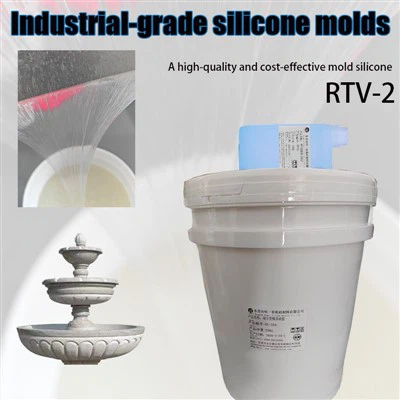
First off, let's understand what RTV - 2 industrial materials are. RTV stands for Room - Temperature Vulcanizing, and the "2" indicates a two - component system. These materials are known for their excellent flexibility, good chemical resistance, and ability to cure at room temperature. They're widely used in industrial applications like creating molds for casting, encapsulating electronic components, and sealing joints.
When it comes to medical devices, the requirements are a whole different ballgame. Medical devices need to meet strict safety and regulatory standards. These standards are in place to protect patients from potential harm. The materials used in medical devices must be biocompatible, which means they can interact with the human body without causing adverse reactions. They also need to be sterile and have low levels of leachable substances.
So, can RTV - 2 industrial materials meet these requirements? Well, it depends. Some RTV - 2 materials can be formulated to be biocompatible. There are certain grades of RTV - 2 silicone rubbers that have been specifically developed for medical applications. These materials go through rigorous testing to ensure they meet the necessary biocompatibility standards set by organizations like the FDA in the United States and the European Union's Medical Device Regulation.
However, not all RTV - 2 industrial materials are suitable for medical use. Industrial - grade RTV - 2 materials often contain additives and fillers that may not be safe for the human body. For example, some may have plasticizers that could leach out and cause harm if in contact with living tissue. Also, the manufacturing processes for industrial RTV - 2 materials may not be as clean and controlled as those required for medical - grade materials.
If you're considering using RTV - 2 materials in a medical device, it's crucial to work with a supplier who understands the medical industry's requirements. That's where we come in. We're a RTV - 2 industrial supplier that has experience in developing materials for various applications, including those with strict safety standards.
One of the key factors in determining the suitability of RTV - 2 materials for medical use is understanding the parameters. Understanding The Parameters Is The Key To Truly Mastering Adhesive Selection. Parameters like hardness, tear strength, and elongation at break can all affect how the material performs in a medical device. For instance, a material that's too hard may cause discomfort to the patient, while a material with low tear strength may break easily during use.
Another aspect to consider is the type of medical device. Different medical devices have different requirements. For example, a device that's in short - term contact with the skin may have different material requirements compared to a device that's implanted in the body for a long time.
Let's talk about some of the applications where RTV - 2 materials can potentially be used in medical devices. One area is in the creation of molds for medical components. Silicone Liquid For Molds can be used to make high - precision molds for casting medical parts. These molds can be used to produce components like syringes, catheters, and other medical tools. The flexibility and high - detail replication capabilities of RTV - 2 materials make them ideal for this purpose.
We also have some interesting applications in the area of decorative medical devices. For example, To Create Exquisite Lotus Lantern Molds, Choosing The Right Industrial - grade Mold Silicone Is The Key. While this may not seem directly related to medical functionality, in some cases, medical devices can have a decorative aspect, especially in products for aesthetic or patient - comfort purposes.
Inks made from RTV - 2 materials can also have medical applications. Condensation Mold Silicone Inks For Concrete/Cement and Condensation Mold Silicone Inks For Veitnam Candles may seem like industrial applications, but in the medical field, inks can be used for marking medical devices, providing important information like dosage instructions or expiration dates.


If you're interested in exploring the use of RTV - 2 materials in your medical device projects, we're here to help. We can provide you with samples of our medical - grade RTV - 2 materials and work with you to develop a solution that meets your specific needs. Our team of experts has in - depth knowledge of the material properties and can guide you through the process of selecting the right material for your application.
In conclusion, while not all RTV - 2 industrial materials are suitable for medical devices, there are options available that can meet the strict requirements of the medical industry. It's all about working with the right supplier and understanding the specific needs of your medical device. If you're looking to start a project or have any questions about using RTV - 2 materials in medical devices, don't hesitate to reach out. We're ready to have a conversation and help you find the best solution for your business.
References
- General knowledge of RTV - 2 materials in industrial and medical applications
- Industry standards and regulations for medical device materials