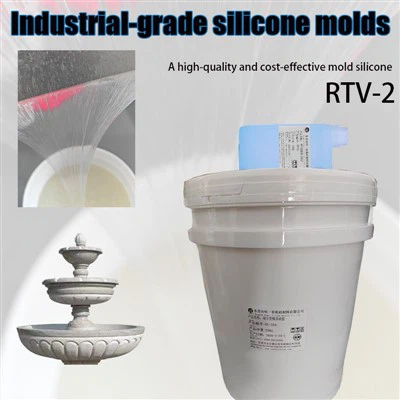
Tear strength is a crucial property when it comes to RTV - 2 construction silicone. As a supplier of RTV - 2 construction silicone, I am well - versed in the significance of this characteristic and its impact on various applications.
Understanding RTV - 2 Construction Silicone
RTV - 2, or Room Temperature Vulcanizing - 2 component silicone, is a two - part silicone rubber system that cures at room temperature. It is widely used in construction due to its excellent properties such as high flexibility, good adhesion, and resistance to environmental factors like UV radiation, moisture, and temperature variations. This type of silicone can be used for sealing joints, creating molds, and other construction - related applications.
What is Tear Strength?
Tear strength refers to the ability of a material to resist the growth of a tear when a force is applied. In the context of RTV - 2 construction silicone, it is the measure of how well the silicone can withstand tearing under stress. A high tear - strength silicone can better endure mechanical forces, which is essential in construction applications where the material may be subject to stretching, bending, or other forms of physical stress.
Importance of Tear Strength in Construction
In construction, RTV - 2 silicone is often used for sealing joints between building elements. These joints are exposed to various forces, such as thermal expansion and contraction, wind loads, and seismic activity. A silicone with high tear strength can maintain its integrity over time, preventing leaks and ensuring the long - term performance of the building envelope.
For example, in a high - rise building, the silicone seals around windows and doors need to be able to withstand the pressure changes caused by wind and air movement. If the tear strength of the silicone is low, it may tear easily, leading to air and water infiltration, which can cause damage to the interior of the building and increase energy consumption.
Factors Affecting Tear Strength
Several factors can influence the tear strength of RTV - 2 construction silicone.
1. Polymer Structure
The molecular structure of the silicone polymer plays a significant role. Silicone polymers with a more cross - linked structure tend to have higher tear strength. Cross - linking creates a three - dimensional network within the silicone, which provides better resistance to tearing.


2. Filler Content
Fillers are often added to RTV - 2 silicone to improve its mechanical properties. Inorganic fillers such as silica can enhance tear strength by reinforcing the silicone matrix. However, the type, amount, and dispersion of the filler can also affect the tear strength. If the filler is not well - dispersed, it may act as a stress concentrator, reducing the tear resistance.
3. Curing Conditions
The curing process of RTV - 2 silicone can impact its tear strength. Proper curing is essential for the development of the desired mechanical properties. Factors such as temperature, humidity, and curing time can all affect the cross - linking of the silicone polymer and, consequently, its tear strength.
Measuring Tear Strength
The tear strength of RTV - 2 construction silicone is typically measured using standardized test methods. One common method is the ASTM D624 test, which involves cutting a specimen of the silicone in a specific shape and then applying a force to tear it. The tear strength is reported as the force required to tear the specimen per unit thickness.
Applications of High Tear - Strength RTV - 2 Silicone
1. Construction Sealing
As mentioned earlier, high tear - strength RTV - 2 silicone is ideal for sealing joints in buildings. It can be used for both interior and exterior applications, such as sealing expansion joints, window and door perimeters, and curtain wall joints.
2. Mold Making
In the manufacturing industry, RTV - 2 silicone with high tear strength is used for making molds. Candle silicone mold liquid and Resin mold silicone liquid are examples of products that require high - quality silicone with good tear resistance. The mold needs to be able to withstand the forces exerted during the casting process without tearing.
3. Automotive and Aerospace Applications
In the automotive and aerospace industries, RTV - 2 silicone is used for gasketing, sealing, and vibration damping. High tear strength is crucial in these applications to ensure the reliability and safety of the components.
Our RTV - 2 Construction Silicone Products
As a supplier of RTV - 2 construction silicone, we offer a range of products with different tear strengths to meet the diverse needs of our customers. Our products are formulated using high - quality raw materials and advanced manufacturing processes to ensure consistent and reliable performance.
We understand that each application may have specific requirements, and we work closely with our customers to provide customized solutions. Whether you need a silicone with high tear strength for a large - scale construction project or a specialized mold - making application, we can help you find the right product.
Condensation Mold Silicone Inks For Lotus Candles
In addition to our standard RTV - 2 construction silicone products, we also offer Condensation Mold Silicone Inks For Lotus Candles. These inks are designed to work in conjunction with our silicone molds, providing a high - quality finish for lotus candles.
Contact Us for Procurement
If you are interested in our RTV - 2 construction silicone products or have any questions about tear strength and its application in your project, we encourage you to contact us. Our team of experts is ready to assist you in selecting the right product and providing technical support. We are committed to providing high - quality products and excellent customer service to help you achieve your construction and manufacturing goals.
References
- ASTM D624 - Standard Test Method for Tear Strength of Conventional Vulcanized Rubber and Thermoplastic Elastomers.
- "Silicone Rubber: Properties and Applications" by R. J. Young and P. A. Lovell.
- Industry reports on construction and manufacturing materials.