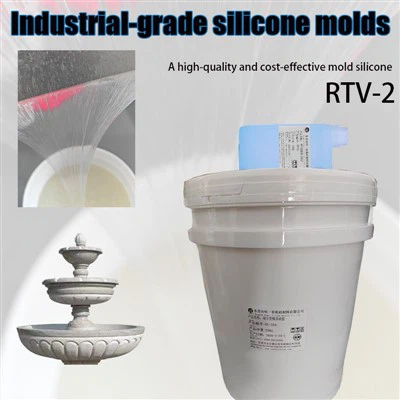
RTV-2 (Room Temperature Vulcanizing-2 component) silicone is a popular material in various industries due to its excellent flexibility, durability, and resistance to high temperatures and chemicals. Whether you're creating molds for art, prototypes in the manufacturing sector, or special effects in the film industry, you may find the need to paint on RTV-2 silicone. However, not all paints are suitable for this task. As a dedicated RTV-2 silicone supplier, I'm here to share insights on what kinds of paint can be used on RTV-2 silicone and how to ensure a successful painting process.
Understanding RTV-2 Silicone
Before delving into the types of paint, it's essential to understand the properties of RTV-2 silicone. RTV-2 silicone is a two-component system consisting of a base and a catalyst. When these two components are mixed, a chemical reaction occurs, causing the silicone to cure at room temperature. This results in a flexible, rubber-like material with a smooth surface that can be challenging for paint to adhere to.
Our company offers a variety of RTV-2 silicone products, such as High Performance Mold Making Silicone - Tin Cure, which is widely used for mold making. The selection of the right silicone is crucial, and you can find more guidance on How Should We Choose Silicone?.
Types of Paint Suitable for RTV-2 Silicone
1. Silicone-Based Paints
Silicone-based paints are a natural choice for painting on RTV-2 silicone. Since they share the same chemical base, these paints can form a strong bond with the silicone surface. They offer excellent flexibility, which is essential as RTV-2 silicone can stretch and bend without causing the paint to crack or peel. Silicone-based paints are also highly resistant to heat, UV radiation, and chemicals, making them suitable for both indoor and outdoor applications.
When using silicone-based paints, it's important to follow the manufacturer's instructions carefully. The surface of the RTV-2 silicone should be clean and dry before painting. You may need to apply multiple thin coats for better coverage and adhesion.
2. Acrylic Paints
Acrylic paints are another popular option for painting on RTV-2 silicone. They are water-based, which means they are easy to clean up and have low odor. Acrylic paints come in a wide range of colors and can be mixed to create custom shades. They can also be thinned with water to achieve different consistencies, making them suitable for various painting techniques.
However, acrylic paints may not adhere as well to RTV-2 silicone as silicone-based paints. To improve adhesion, you can use a primer specifically designed for silicone surfaces. After applying the primer and allowing it to dry completely, you can then apply the acrylic paint in thin, even coats.
3. Epoxy Paints
Epoxy paints are known for their excellent adhesion, durability, and chemical resistance. They are a two-component system that requires mixing before use. Once cured, epoxy paints form a hard, protective coating on the RTV-2 silicone surface.
Epoxy paints are a good choice for applications where the painted surface will be exposed to harsh conditions, such as high temperatures, abrasion, or chemicals. However, they can be more difficult to work with compared to silicone-based or acrylic paints. The mixing ratio and curing time need to be carefully controlled, and proper ventilation is required during the painting process.
Preparing the RTV-2 Silicone Surface for Painting
Proper surface preparation is crucial for ensuring good paint adhesion on RTV-2 silicone. Here are the steps you should follow:
- Clean the Surface: Use a mild detergent and water to clean the RTV-2 silicone surface. Rinse it thoroughly and allow it to dry completely. This will remove any dirt, grease, or contaminants that could prevent the paint from adhering properly.
- Sand the Surface: Lightly sand the RTV-2 silicone surface with fine-grit sandpaper. This will create a rough surface structure, which can improve the paint's adhesion. Be careful not to sand too aggressively, as this could damage the silicone.
- Apply a Primer (if necessary): As mentioned earlier, some paints may require the use of a primer to improve adhesion. Apply the primer according to the manufacturer's instructions and allow it to dry completely before applying the paint.
Painting Techniques
Once the RTV-2 silicone surface is prepared, you can start painting. Here are some tips for achieving the best results:
- Use a Brush or Spray Gun: Depending on the size and shape of the object, you can choose to use a brush or a spray gun for painting. A brush is suitable for small, detailed areas, while a spray gun can provide a more even and smooth finish on larger surfaces.
- Apply Thin Coats: It's better to apply multiple thin coats of paint rather than one thick coat. This will allow the paint to dry more evenly and reduce the risk of cracking or peeling.
- Allow Sufficient Drying Time: Each coat of paint should be allowed to dry completely before applying the next coat. Follow the manufacturer's instructions for the recommended drying time.
Our RTV-2 Silicone Products for Different Applications
In addition to the mold-making silicone mentioned above, we also offer Resin mold silicone liquid, which is ideal for creating resin molds. The Condensation Mold Silicone Inks ShoreA 5 and Condensation Mold Silicone Inks For Concrete/Cement are also available for specific applications.
Conclusion
When it comes to painting on RTV-2 silicone, choosing the right paint is crucial for achieving a long-lasting and professional finish. Silicone-based paints offer the best adhesion and flexibility, while acrylic and epoxy paints can also be used with proper surface preparation. By following the tips and techniques outlined in this blog, you can ensure a successful painting process on RTV-2 silicone.
If you're interested in our RTV-2 silicone products or have any questions about painting on silicone, feel free to contact us for more information and to discuss your specific needs. We're committed to providing high-quality silicone solutions and excellent customer service.


References
- "Silicone Rubber Handbook" by Douglas K. Allen
- Manufacturer's instructions for various RTV-2 silicone products and paints