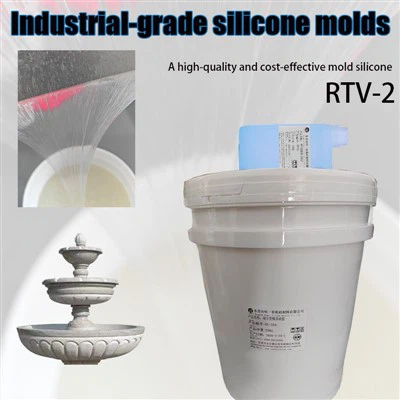
Two-component silicone, a versatile and widely used material, has found its way into numerous industries due to its unique properties. As a trusted two-component silicone supplier, I am excited to delve into the different types of two-component silicone and their applications.
1. Condensation Cure Two - Component Silicone
Condensation cure two - component silicone is one of the most common types. It cures through a condensation reaction, which involves the release of a by - product such as water or alcohol during the curing process.
Properties
- Low - cost: Condensation cure silicones are relatively inexpensive compared to some other types, making them a popular choice for budget - conscious projects.
- Ease of use: They can be easily mixed and poured, and do not require complex equipment for curing.
- Flexibility: Once cured, they offer good flexibility, which makes them suitable for applications where the silicone needs to bend or stretch.
Applications
- Mold making: Condensation Mold Silicone is widely used in the creation of molds for various materials. For example, in the art and crafts industry, it can be used to make molds for resin, wax, and plaster. It allows for the accurate reproduction of details, making it ideal for creating intricate sculptures and figurines.
- Sealing and gasketing: Due to its flexibility and good adhesion, condensation cure silicone can be used as a sealant in various applications. It can prevent the ingress of water, air, and dust in electrical enclosures, automotive parts, and building construction.
2. Addition Cure Two - Component Silicone
Addition cure two - component silicone, also known as platinum - cured silicone, cures through an addition reaction. Unlike condensation cure silicones, no by - products are released during the curing process.
Properties
- High temperature resistance: Addition cure silicones can withstand high temperatures without losing their properties, making them suitable for applications in high - heat environments.
- Food - grade compliance: Many addition cure silicones are food - grade, which means they can be safely used in contact with food. This makes them ideal for applications such as baking molds and food processing equipment.
- Low shrinkage: They have very low shrinkage during curing, which ensures accurate replication of the mold and better dimensional stability.
Applications
- Medical applications: The biocompatibility and low allergenic potential of addition cure silicones make them suitable for medical devices such as catheters, gaskets for medical equipment, and prosthetics.
- Electronics: Due to their excellent electrical insulation properties and high - temperature resistance, they are used in the encapsulation of electronic components to protect them from moisture, dust, and mechanical damage.
3. Silicone for Glassware Molds
Silicone used for making glassware molds is a specialized type of two - component silicone.
Properties
- High - temperature tolerance: Glassware molding involves high - temperature processes, so this silicone must be able to withstand the heat without deforming or losing its properties.
- Smooth surface finish: It should provide a smooth surface finish on the glassware, ensuring that the final product looks aesthetically pleasing.
- Good release properties: To facilitate the removal of the glassware from the mold, it has excellent release properties, preventing the glass from sticking to the mold.
Applications
- Glass manufacturing: In the glass industry, this type of silicone is used to create molds for various glass products, including vases, bowls, and decorative glass items.
4. Silicone for Candle Molds
The Silicone Liquid Used For Making The Silicone Mold For Candles is designed specifically for the candle - making industry.
Properties
- Flexibility: It allows for easy removal of the candles from the mold, even for candles with complex shapes.
- Heat resistance: Since candles generate heat when burning, the silicone mold should be able to withstand the heat without melting or deforming.
- Chemical resistance: It should be resistant to the chemicals present in candle wax, such as paraffin and soy wax.
Applications
- Candle making: It is used to create molds for all types of candles, from simple pillar candles to elaborate scented candles with unique shapes.
5. Silicone Inks for Specific Applications
Condensation Mold Silicone Inks For Lotus Candles are a specialized type of two - component silicone.
Properties


- Color stability: They provide long - lasting color, ensuring that the printed designs on the candles or other products remain vibrant over time.
- Adhesion: Good adhesion to the surface of the substrate, whether it is a candle or other silicone - based product, is essential to prevent the ink from peeling or fading.
- Flexibility: Even after curing, the ink remains flexible, which is important, especially for applications where the product may bend or stretch.
Applications
- Decorative candle making: These inks are used to create beautiful and intricate designs on candles, enhancing their aesthetic appeal.
6. Silicone Liquid for Molds in General
Silicone Liquid For Molds is a versatile type that can be used for a wide range of mold - making applications.
Properties
- Low viscosity: It has a low viscosity, which allows it to flow easily into the mold, capturing even the smallest details.
- Good mechanical properties: Once cured, it has good tensile strength and tear resistance, ensuring that the mold can withstand repeated use.
- Easy demolding: It is designed to have good release properties, making it easy to remove the molded product from the mold.
Applications
- General mold - making: It can be used to make molds for various materials such as rubber, plastic, and even metal in some cases. This makes it a popular choice in manufacturing, prototyping, and hobbyist applications.
As a two - component silicone supplier, I understand the importance of providing high - quality products that meet the specific needs of different industries. Whether you are in the art and crafts industry, medical field, or glass manufacturing, we have the right type of two - component silicone for you. If you are interested in learning more about our products or would like to discuss your specific requirements, please feel free to contact us. We are more than happy to assist you in finding the perfect two - component silicone solution for your project.
References
- "Silicone Rubber: Chemistry and Technology" - A comprehensive guide on the properties and applications of silicone rubber.
- Industry reports on the use of two - component silicone in different sectors.
- Technical specifications provided by manufacturers of two - component silicone products.