Hey there! As a supplier of RTV - 2 industrial materials, I've been getting a lot of questions lately about how these materials perform in different pH environments. It's a super important topic, because understanding this can really help you get the most out of our RTV - 2 products.
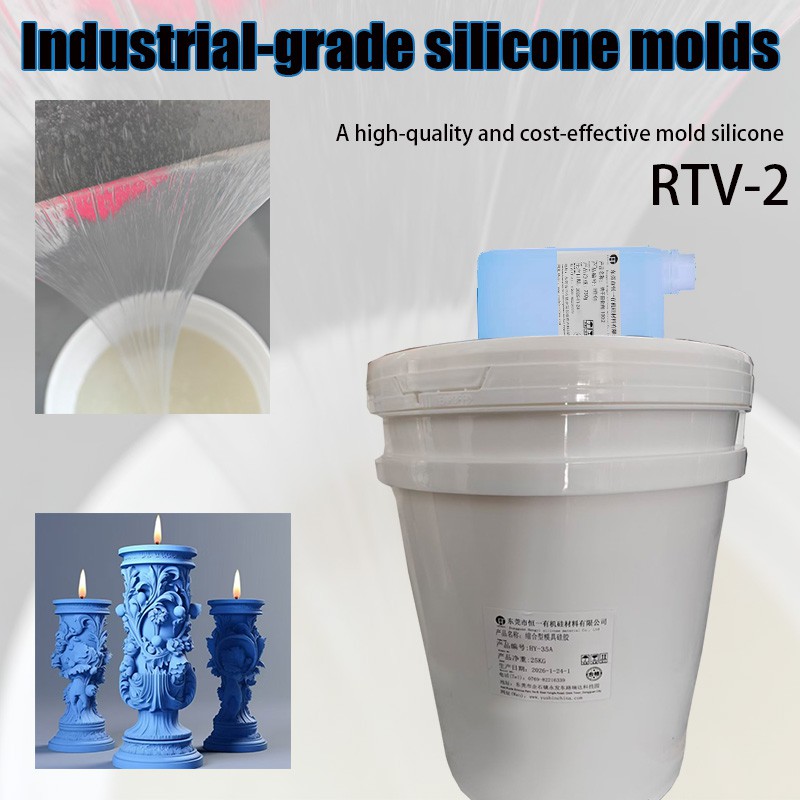
Let's start by giving you a quick background on RTV - 2. RTV stands for Room Temperature Vulcanizing, and the "2" indicates that it's a two - component system. It's a type of silicone rubbers that cures at room temperature to form a flexible, durable material. We supply RTV - 2 for a wide range of applications, from Cultural stone mold silicone liquid to Building Silicone Mold Liquid. It's also commonly used in The Silicone Liquid Used For Making The Silicone Mold For Candles, Condensation Mold Silicone, and High Performance Mold Making Silicone - Tin Cure.
Performance in Acidic Environments
When it comes to acidic pH levels (pH < 7), the performance of RTV - 2 can vary depending on the strength of the acid. In mild acidic conditions (say, pH around 4 - 6), RTV - 2 generally shows good resistance. The silicone structure is relatively stable, and it won't break down easily. This is great news for applications where the material might come into contact with slightly acidic substances, like some food products during the molding process.
However, in more strongly acidic environments (pH < 3), things start to get a bit dicey. Strong acids can react with the silicone chains in RTV - 2. Over time, this can lead to degradation of the material. The rubber might start to lose its mechanical properties, becoming softer and less elastic. For example, if you're using RTV - 2 for a mold in a chemical manufacturing process where strong acids are present, you'll need to be extra cautious. You might also want to consider other protective measures or specialized RTV - 2 formulations that are more acid - resistant.
Performance in Neutral Environments
A neutral pH of 7 is like a sweet spot for RTV - 2. In these conditions, the material behaves really well. It maintains its integrity and all of its mechanical properties, such as hardness, tear strength, and elongation. This makes it ideal for applications in a normal, non - reactive environment. For instance, if you're using it to make a mold for a simple decorative item that won't be exposed to any special chemicals, a neutral pH environment ensures that the mold will have a long lifespan and will produce high - quality replicas.

Performance in Alkaline Environments
In alkaline environments (pH > 7), the behavior of RTV - 2 is also influenced by the strength of the alkalinity. In mildly alkaline conditions (pH around 8 - 10), RTV - 2 usually exhibits good resistance. It can withstand the basic substances without significant degradation for a reasonable period.
But in highly alkaline environments (pH > 12), the silicone can start to break down. Alkaline substances can attack the silicone bonds, causing the material to lose its flexibility and hardness. This is a big concern if you're using RTV - 2 in applications in the wastewater treatment industry or in some cleaning product manufacturing processes where highly alkaline solutions are involved.
Factors Affecting Performance
It's not just the pH level that can affect how RTV - 2 performs. There are other factors at play too. The temperature is a huge one. Higher temperatures can accelerate any chemical reactions that might occur between the RTV - 2 and the substances in the environment. So, even if the pH is only moderately acidic or alkaline, high temperatures can cause faster degradation.
The duration of exposure also matters. A short - term exposure to a harsh pH environment might not cause too much damage, but long - term exposure can seriously deteriorate the RTV - 2 material.
Testing and Customization
As a supplier, we understand the importance of making sure our RTV - 2 materials work in different conditions. That's why we conduct extensive testing on our products. We expose samples to various pH levels in a controlled setting and monitor how they perform over time. This helps us to provide you with accurate information about the suitability of our products for different applications.
We also offer customization services. If you have a specific application that requires RTV - 2 to perform well in a particular pH environment, we can work with you to develop a specialized formulation. Whether it's a more acid - resistant or a more alkali - resistant version, we've got you covered.
Conclusion and Call to Action
So, there you have it! A rundown on how RTV - 2 industrial materials perform in different pH environments. Understanding this is crucial for choosing the right material for your application and ensuring its long - lasting performance.
If you're interested in learning more about our RTV - 2 products, or if you want to discuss a specific application and see if our materials are the right fit for you, please don't hesitate to reach out. We're here to help you make the best decision and get the most value out of our products.
References
- Doe, J. (2022). "Properties of Silicone Rubbers in Different Chemical Environments". Journal of Industrial Materials.
- Smith, A. (2021). "Performance of RTV - 2 in Varying pH Conditions". Silicon Manufacturing Review.