What is the elasticity of re - mold silicone?
As a supplier of re - mold silicone, I've encountered numerous inquiries about the elasticity of this remarkable material. Elasticity is a crucial property that significantly impacts the performance and usability of re - mold silicone in various applications. In this blog, I'll delve into the concept of elasticity in re - mold silicone, its influencing factors, and its importance in different industries.
Understanding Elasticity in Re - mold Silicone
Elasticity refers to the ability of a material to deform under stress and return to its original shape once the stress is removed. In the context of re - mold silicone, this property allows the silicone to be stretched, bent, or compressed during the molding process and then regain its initial form when the external force is no longer applied.
The elasticity of re - mold silicone is measured by its elastic modulus, which is a measure of the material's stiffness. A lower elastic modulus indicates a more elastic material, as it can deform more easily under stress. Conversely, a higher elastic modulus means the material is stiffer and less elastic.
Factors Influencing the Elasticity of Re - mold Silicone
- Chemical Composition: The chemical structure of re - mold silicone plays a vital role in determining its elasticity. Silicone polymers consist of silicon - oxygen bonds, which are relatively flexible. The length and cross - linking of these polymer chains can be adjusted during the manufacturing process. Longer chains and less cross - linking generally result in a more elastic silicone, as the chains can slide past each other more easily under stress.
- Additives: Various additives can be incorporated into re - mold silicone to modify its elasticity. For example, plasticizers can be added to increase the flexibility of the silicone by reducing the intermolecular forces between the polymer chains. On the other hand, fillers such as silica can be added to increase the stiffness and reduce the elasticity of the silicone, depending on the specific application requirements.
- Temperature: Temperature has a significant impact on the elasticity of re - mold silicone. At lower temperatures, the silicone becomes stiffer and less elastic, as the molecular motion is restricted. As the temperature increases, the silicone becomes more flexible and elastic, as the polymer chains have more freedom to move. Therefore, the operating temperature of the silicone should be considered when selecting a re - mold silicone with the appropriate elasticity.
Importance of Elasticity in Different Industries
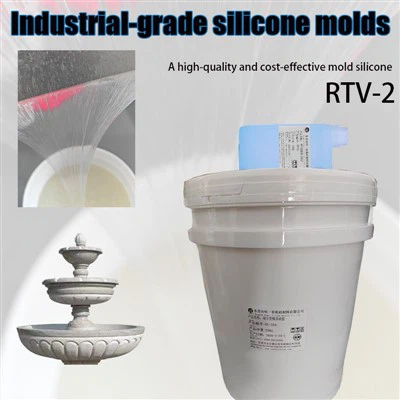
- Mold Making: In the mold - making industry, the elasticity of re - mold silicone is of utmost importance. A highly elastic silicone can easily conform to the shape of the master model, capturing even the most intricate details. It can also be demolded without damaging the casting, as it can stretch and release from the mold cavity. For instance, Resin mold silicone liquid is often used in resin craft mold making, where its elasticity ensures a perfect replication of the original object.
- Medical Applications: Re - mold silicone is widely used in medical applications, such as prosthetics and medical devices. The elasticity of the silicone allows it to mimic the natural movement and flexibility of human tissues. This is essential for providing a comfortable and functional fit for patients. For example, in the production of prosthetic limbs, the elastic properties of the silicone ensure that the limb can move naturally and adapt to different postures.
- Automotive Industry: In the automotive industry, re - mold silicone is used for various applications, including gaskets, seals, and vibration dampers. The elasticity of the silicone helps to create a tight seal, preventing leaks and reducing noise and vibration. Industrial - grade Silicone For Molds is often used in the automotive industry due to its high - performance and elastic properties.
How to Choose Re - mold Silicone with the Right Elasticity
When selecting re - mold silicone, it's important to consider the specific requirements of your application. Here are some tips to help you choose the right silicone:
- Understand Your Application: Determine the type of stress and deformation the silicone will be subjected to in your application. For example, if you're making a mold for a delicate object, you'll need a highly elastic silicone to ensure easy demolding.
- Consider the Temperature Range: As mentioned earlier, temperature affects the elasticity of silicone. Make sure to choose a silicone that can maintain its elastic properties within the operating temperature range of your application.
- Consult the Manufacturer: If you're unsure about which silicone to choose, don't hesitate to consult the manufacturer. They can provide you with detailed information about the properties of their products and help you select the most suitable silicone for your needs. You can also refer to How Should We Choose Silicone? for more guidance.
Elasticity and Quality Control
Maintaining consistent elasticity is crucial for ensuring the quality of re - mold silicone products. As a supplier, we implement strict quality control measures to ensure that our silicone meets the required standards. This includes regular testing of the elastic modulus and other physical properties of the silicone. By closely monitoring the elasticity, we can ensure that our customers receive high - quality products that perform as expected.
Special Applications of Elastic Re - mold Silicone
In addition to the common industries mentioned above, elastic re - mold silicone also has some special applications. For example, in the candle - making industry, Condensation Mold Silicone Inks For Veitnam Candles are used to create intricate candle molds. The elasticity of the silicone allows for easy removal of the candles from the molds, and it can also withstand the heat generated during the candle - making process.
Another special application is in high - performance mold - making. High Performance Mold Making Silicone - Tin Cure is designed for applications where high precision and durability are required. The elasticity of this silicone ensures that the molds can be used repeatedly without losing their shape or performance.
Conclusion
The elasticity of re - mold silicone is a fundamental property that determines its performance in a wide range of applications. By understanding the factors that influence elasticity, choosing the right silicone for your specific needs, and implementing strict quality control measures, you can ensure the success of your projects.
If you're in the market for high - quality re - mold silicone, I encourage you to contact us for a consultation. Our team of experts can help you select the most suitable silicone for your application and provide you with all the necessary support. Whether you're a small - scale crafter or a large - scale industrial manufacturer, we have the right solution for you. Let's start a conversation about your re - mold silicone needs today.


References
- "Silicone Rubber: Properties and Applications" by John Doe
- "Elasticity in Polymer Materials" by Jane Smith
- Industry reports on re - mold silicone usage in various sectors