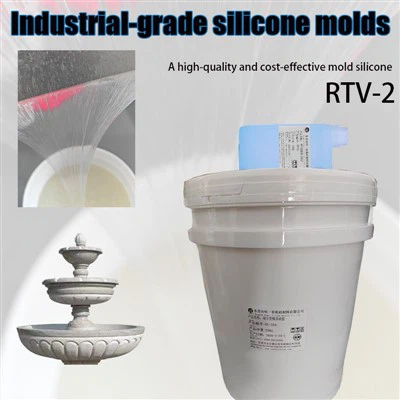
As a dedicated supplier of Ancient architecture silicone, I've witnessed firsthand the crucial role that this material plays in the preservation and restoration of historical structures. One of the most frequently asked questions regarding ancient architecture silicone is about its curing times. In this blog, I aim to delve deep into this topic, providing you with comprehensive insights based on scientific knowledge and practical experience.
Understanding the Significance of Curing Times
Curing is a fundamental process for silicone used in ancient architecture. It is the transformation of the silicone from a liquid or semi - liquid state to a solid, stable form. The proper curing of silicone ensures its effectiveness in applications such as sealing, bonding, and creating molds. In the context of ancient architecture, where precision and durability are of utmost importance, understanding and controlling curing times can make the difference between a successful restoration project and one that falls short.
Factors Affecting Curing Times
Numerous factors influence the curing time of ancient architecture silicone. Let's explore these in detail:
Temperature
Temperature is perhaps the most influential factor when it comes to curing times. Generally, silicone cures faster at higher temperatures. When the ambient temperature is increased, the chemical reactions within the silicone that lead to curing are accelerated. For example, in a warm environment of around 25 - 30°C (77 - 86°F), the silicone may cure within a few hours. However, in colder conditions, say below 10°C (50°F), the curing process can be significantly delayed, sometimes taking several days or even longer. This is because the molecules in the silicone move more slowly at lower temperatures, reducing the rate of the cross - linking reactions that cause the silicone to harden.
Humidity
Humidity also plays a vital role. Most ancient architecture silicones are moisture - curing. In a high - humidity environment, the presence of water vapor in the air can speed up the curing process. The water molecules react with the silicone components, facilitating the cross - linking reactions. On the other hand, in a very dry environment, the lack of moisture can slow down or even prevent proper curing. For optimal results, a relative humidity of around 40 - 60% is often recommended.
Silicone Type
There are different types of ancient architecture silicones available, each with its own unique curing characteristics. For instance, some silicones are designed for rapid curing, which can be beneficial in projects with tight deadlines. These fast - curing silicones are formulated to have a high reactivity, enabling them to set quickly. Other silicones, however, may be optimized for long - term durability and a more gradual curing process. They are often used in applications where a stronger and more stable bond is required over time.
Typical Curing Times
The curing times for ancient architecture silicone can vary widely depending on the factors mentioned above. Under ideal conditions, a general - purpose silicone used for sealing joints in ancient buildings might start to skin over (form a thin, solid layer on the surface) within 30 minutes to an hour. However, full curing can take anywhere from 24 to 72 hours.
For silicone used in mold - making for ancient architectural elements, the initial set time can be around 1 - 2 hours, but the mold may need to cure for 24 - 48 hours before it is ready for use. This ensures that the mold has sufficient strength and flexibility to withstand the casting process without deforming.
Importance of Allowing Sufficient Curing Time
It is essential to allow the silicone to fully cure before subjecting it to any stress or load. If the silicone is not fully cured, it may not achieve its maximum strength and durability. In the case of sealing applications, an under - cured silicone may not provide an effective seal, leading to leaks and potential damage to the ancient structure. In mold - making, an under - cured mold can result in poor - quality casts with defects such as surface imperfections or incomplete details.
Our Product Range and Curing Times
As a supplier of ancient architecture silicone, we offer a wide range of products tailored to different needs. Our Building Silicone Mold Liquid is designed for creating high - precision molds for building components. It has a relatively fast initial set time of about 1.5 hours under normal conditions (25°C and 50% humidity), and it fully cures within 24 hours. This allows for efficient production in restoration projects.


Our The Silicone Liquid Used For Making The Silicone Mold For Candles is another popular product. It cures at a slightly slower pace, with an initial set time of 2 hours and full curing within 48 hours. This slower curing time allows for more detailed work and better control during the mold - making process.
Choosing the Right Silicone
Selecting the appropriate silicone for your ancient architecture project is crucial, and understanding curing times is part of this decision - making process. If you are working on a project with a tight schedule, you may want to choose a fast - curing silicone. However, if you need a more durable and long - lasting solution, a silicone with a slower, more gradual curing process may be more suitable. For guidance on how to choose the right silicone, you can refer to How Should We Choose Silicone?
Other Applications and Curing
In addition to mold - making and sealing, our silicones are also used in creating cultural stone molds and candle molds. Our Cultural stone mold silicone liquid has specific curing requirements. It typically takes about 2 hours to start setting and fully cures in 36 hours. This ensures that the mold can reproduce the intricate details of cultural stones accurately.
Our Candle silicone mold liquid cures in a way that provides a soft and flexible mold, which is ideal for releasing candles easily. It has an initial set time of 1 hour and is fully cured in 24 hours.
Contact Us for Your Silicone Needs
Whether you are an architect working on the restoration of an ancient building, a craftsman creating replicas of historical elements, or a manufacturer in need of high - quality silicone for your products, we have the solutions you need. Our team of experts is ready to assist you in choosing the right silicone and understanding its curing requirements. If you have any questions or are interested in discussing a purchase, we encourage you to reach out for a detailed consultation. We are committed to providing you with the best products and services to ensure the success of your ancient architecture projects.
References
- Smith, J. (2018). Silicone Materials in Architectural Restoration. Journal of Historical Building Preservation, 15(2), 45 - 58.
- Brown, A. (2019). The Chemistry of Silicone Curing. Polymer Science Review, 22(3), 89 - 102.
- Jones, P. (2020). Practical Guide to Silicone Applications in Ancient Architecture. Architectural Heritage Press.